




Discovering Besançon, a city of history and nature
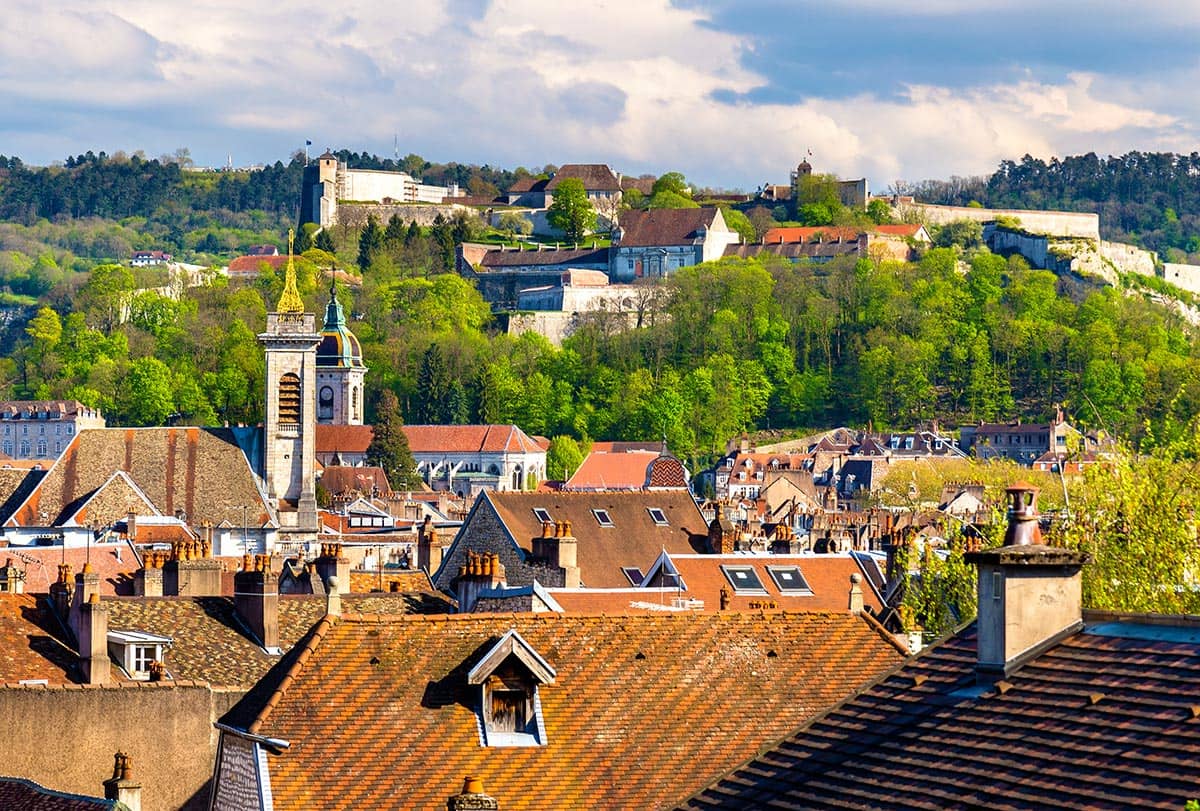
Nestled in a meander of the Doubs River and surrounded by wooded hills, Besançon offers a rare harmony between heritage, nature, and quality of life. A city of art and history, it combines architectural richness, cultural vitality, and green landscapes. Here, the passage of time is visible in the stones and the clocks, a legacy of a craft that has become a symbol.
La Boucle and the city's emblematic districts
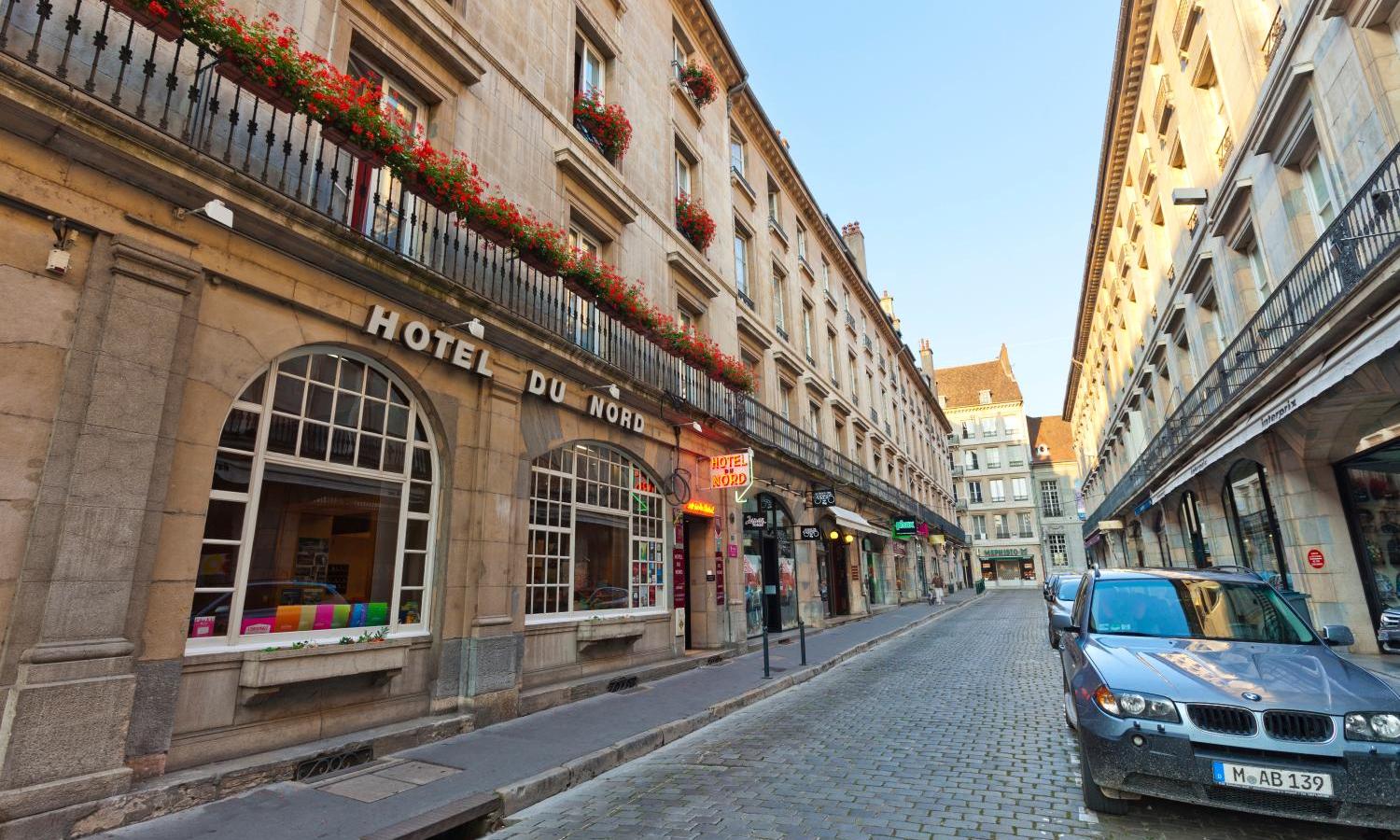
The historic center, known as "La Boucle," reveals a remarkable ensemble of cobbled streets, private mansions, and lively squares. This is where you'll find Saint-Jean Cathedral, Place de la Révolution, and the finest Renaissance façades. The Battant district, on the other side of the Doubs, retains a popular and bohemian soul, perfect for curious strolls among galleries, delicatessens, and cozy cafés. More residential, the Chaprais district reveals discreet bourgeois architecture, with villas, gardens, and quiet little streets.
A citadel listed as a world heritage site
Overlooking the city, the Citadel of Besançon is one of Vauban's masterpieces. Listed as a UNESCO World Heritage site, it houses several museums, a zoo, and vast ramparts offering exceptional panoramic views. Some tours even allow you to explore the underground galleries, silent witnesses to its military past.
Museums and watchmaking heritage
As a leading watchmaking city, Besançon continues this tradition at the Museum of Time, located in the elegant Granvelle Palace. The Museum of Fine Arts and Archaeology, one of the oldest in France, impresses with its rich collections, ranging from prehistory to European masters. More intimate, Victor Hugo’s birthplace evokes the writer’s ideals and social battles, beyond a simple biographical tribute.
A city of year-round events
Each season is punctuated by cultural events that animate the streets and squares. In September, the International Music Festival brings the city to life with major orchestras and conductors. The Détonation festival appeals to a younger audience with its contemporary music. Around the same time, Livres dans la Boucle gathers authors and readers in a friendly atmosphere. Gourmet markets, open-air concerts, and Christmas markets mark the calendar with warmth and variety.
Unusual walks and hidden spots
Beyond its iconic sites, Besançon reveals itself through lesser-known corners. The river tunnel carved beneath the Citadel, accessible by boat or kayak, is a unique curiosity. The less-visited Fort of Chaudanne offers spectacular views and a timeless atmosphere. By exploring the hidden inner courtyards of the city center or former icehouses, you enter another dimension of the city — more intimate and mysterious.
The authentic taste of the region
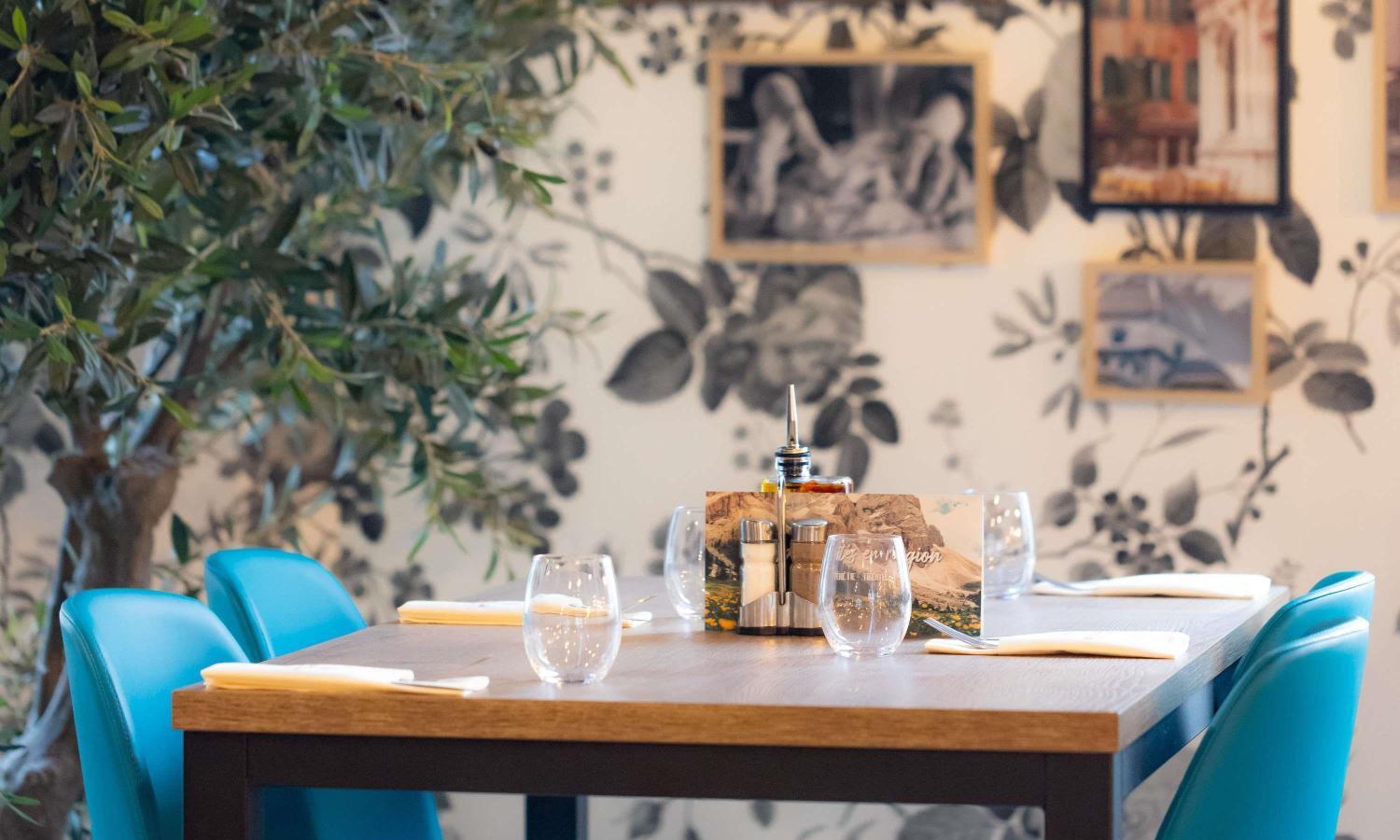
Besançon also delights food lovers with its regional specialties. Warm cancoillotte, aged comté cheese, Morteau sausage, and traditional potée comtoise each tell the story of the Franche-Comté region. Many restaurants honor this tradition: bistronomic tables, wine bars, cozy inns, and modern eateries all highlight local products in atmospheres ranging from refined to warmly simple.
The call of nature in the city
Green by nature, Besançon invites you to slow down. The banks of the Doubs can be explored on foot, by bike, or by boat, all the way to the water sports center or the old mills. Urban parks such as Micaud or the Gare d’Eau offer green oases just steps from the center. The more adventurous will climb to the heights of Bregille to admire the city at sunset or explore wooded trails around forgotten forts.
A discreet yet vibrant art scene
Besançon nurtures a special connection to art. Of course, it can be seen in its museums, but also in the streets: numerous street art murals, often socially engaged, adorn quiet walls in Battant or abandoned industrial sites. Sound walks and theatrical tours offer new ways to experience the city, blending collective memory with contemporary creativity.
A living and moving heritage
The peaceful, tree-lined Chaprais cemetery tells the story of Besançon through the graves of its local figures. Other more discreet sites, such as small forgotten chapels or buildings from former watchmaking workshops, are part of a modest yet deeply rooted working-class and religious heritage.
Our best tips for a successful visit
Take your time. Besançon is a city best discovered slowly, by paying attention to details and atmosphere. Let a heritage enthusiast guide you or explore at your own pace. Look up at the façades, push open doors, step off the beaten track. And above all, allow yourself the luxury of getting lost in its streets: this is a city that likes to reveal itself gradually, like a quiet secret.